Gaia Alari
Artist & Filmmaker
Gaia Alari
Artist & FilmmakerOverview
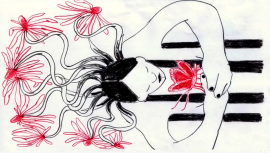
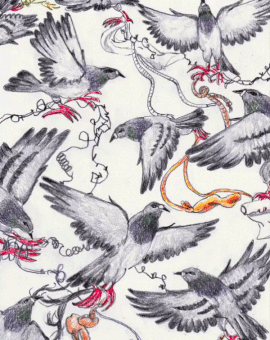
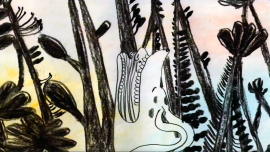
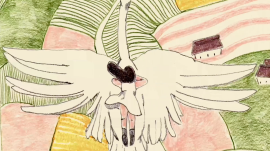
Gaia Alari is an Italian visual artist, award-winning illustrator and animation director whose deeply expressive work moves between drawing, animation, film and editorial illustration. Working primarily by hand with charcoal and pastels on paper, she creates complex, surreal animations that explore memory, mortality, emotion and the more elusive aspects of human experience.
Following her studies in medicine, Gaia pursued fine art as a self-taught artist, initially creating works on paper and sculpture before moving into animation. Her practice remains deliberately analogue and intimate, embracing imperfection, ritual and rhythm to create images that feel tactile, instinctive and unmistakably human.
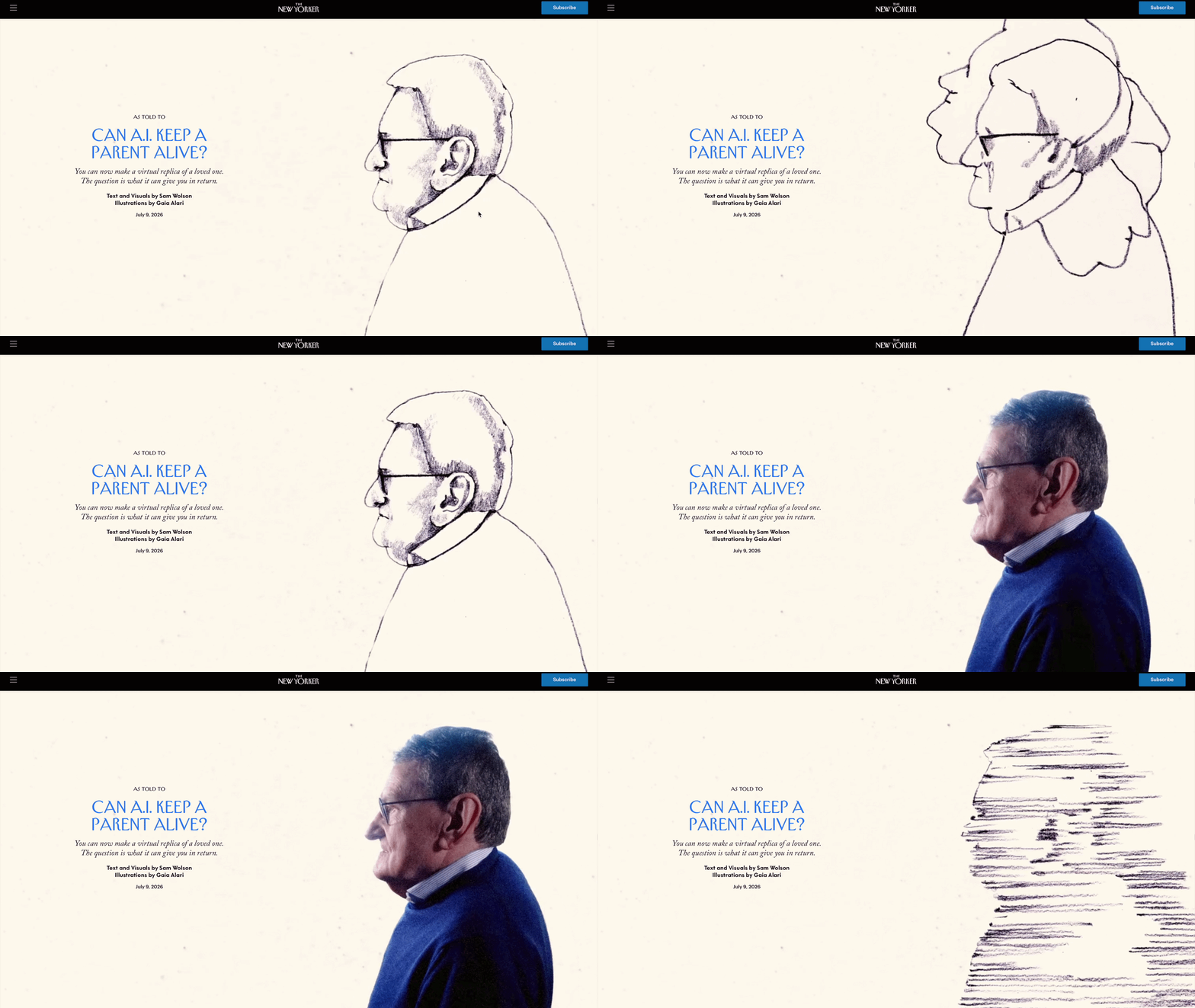
Gaia became the subject and illustrator of the interactive New Yorker story Can A.I. Keep a Parent Alive?, created with journalist and visual artist Sam Wolson. The intensely personal project follows Gaia and her father, Gabriele, as they experiment with creating an AI-powered digital replica of him while confronting questions around ageing, memory, grief and what it means to preserve someone after they are gone.
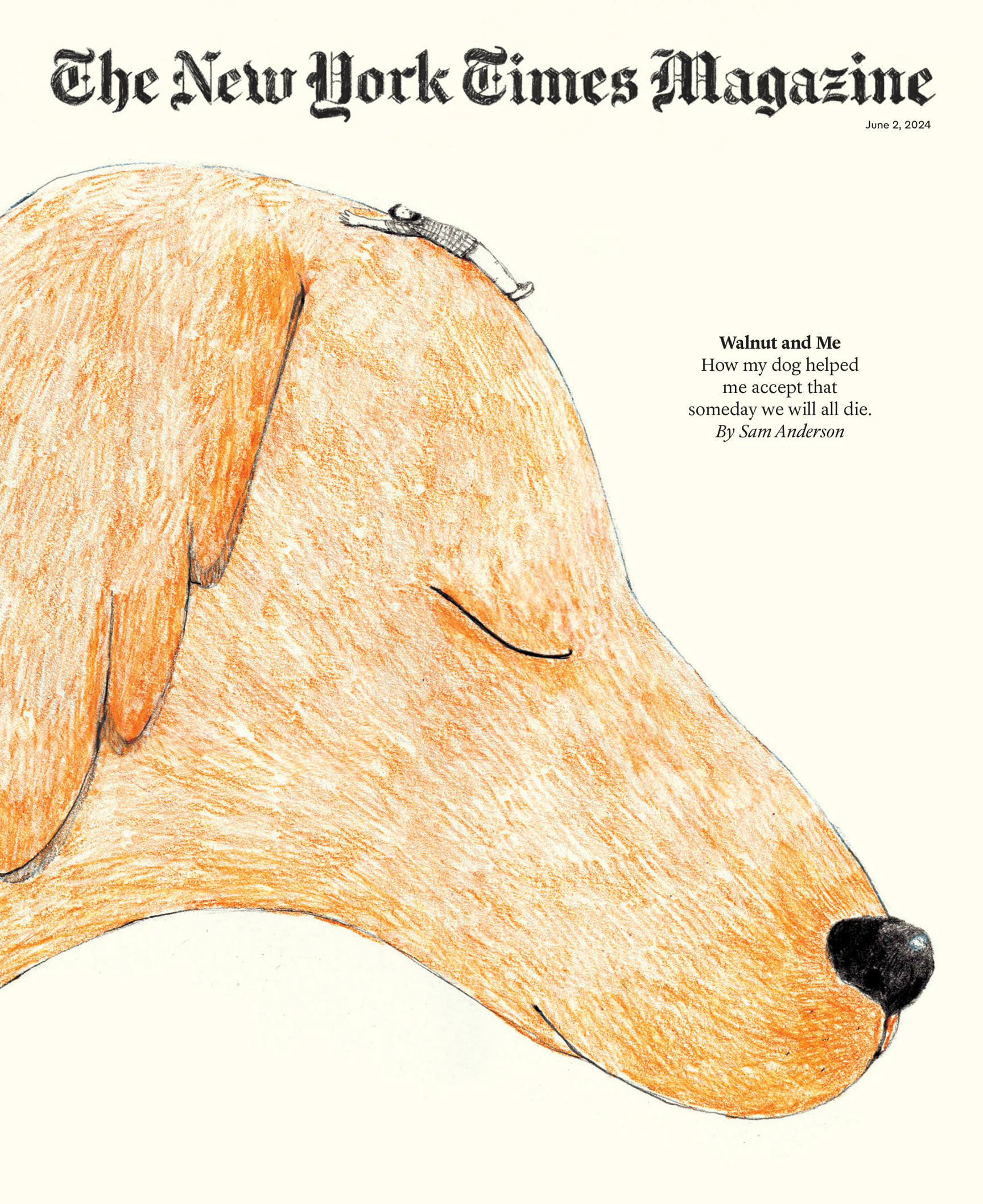
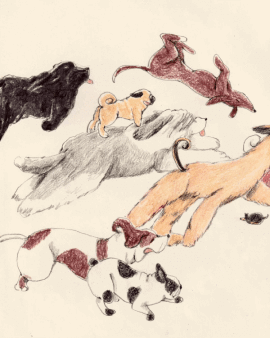
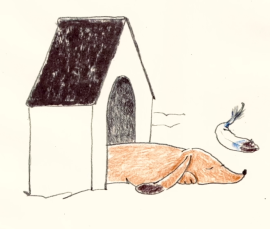
For The New York Times Magazine, Gaia created the cover, illustrations and interactive animations for Walnut and Me, Sam Anderson’s story about his relationship with his family dog and the ways animals can shape our understanding of love, loss and mortality. The project won Best Illustrated Story at the ASME Awards and Best of Illustration at the ADC Awards.
“I believe that art in general is a language that speaks, for those who listen, to a different level than words.” Gaia Alari, via It's Nice That
Gaia’s distinctive animation practice has also led to collaborations across music, including hand-drawn films for Eric Clapton and Iron & Wine, projected visuals for Porridge Radio’s live performance at Centre Pompidou in Paris and contributions to Coldplay’s feelslikeimfallinginlove lyric video, which won Best Animation in a Video at the UK Music Video Awards.
Beyond editorial and music, Gaia’s work moves fluidly between art, cultural institutions and commercial commissions. For MoMA, she animated a guided somatic exercise exploring how the body responds to art, while her animations have been presented in galleries, festivals and public spaces including Centre Pompidou in Paris.